
What Affects Your Credit Score the Most
Our consultative approach to improving your personal credit...
Understanding what makes up your credit score is key to taking control of your financial future. This three-digit number plays a big role in your life, affecting everything from loan approvals to apartment rentals.
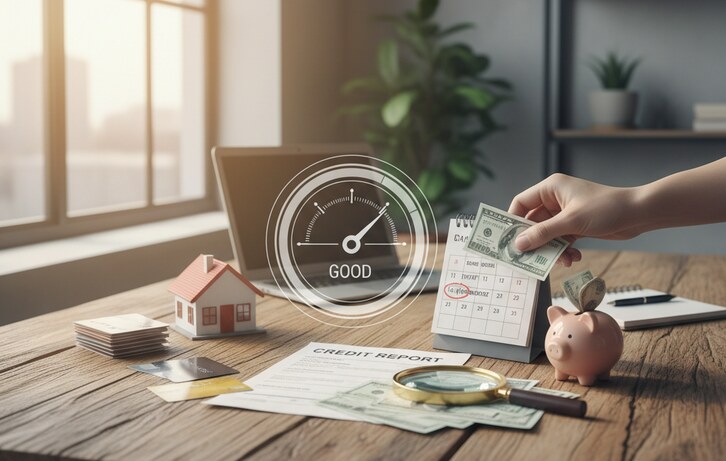
Payment History: The Biggest Piece of the Pie
Your payment history is by far the most important factor in your credit score, making up about 35% of your FICO® Score. It shows whether you pay your bills on time. Lenders want to know if you'll pay them back, and looking at your past payments is the best way they can guess your future behavior.
What counts as a payment? It usually includes:
Credit card payments
Loan payments (car, mortgage, student loans)
Utility bills, if reported to credit bureaus (less common, but can happen)
Missing a payment, even by a few days, can negatively impact your score. The longer a payment is overdue and the more often you miss payments, the worse the effect. A single 30-day late payment can drop your score significantly, especially if your score was high to begin with. Bankruptcies, foreclosures, and collections are serious negative marks that stay on your report for up to seven to ten years.
Credit Utilization: How Much You Owe
This factor makes up about 30% of your FICO® Score. Credit utilization is the amount of credit you're using compared to the total credit available to you. For instance, if you have a credit card with a $5,000 limit and you've spent $1,000, your utilization is 20% ($1,000/$5,000).
Keeping your credit utilization low is generally a good idea. Financial experts often recommend keeping your utilization below 30% across all your credit accounts. A lower percentage suggests you're not overly dependent on credit and can manage your debts responsibly. Maxing out your credit cards, on the other hand, can send a signal to lenders that you might be in financial trouble, even if you pay on time.
To improve this:
Pay down credit card balances.
Avoid opening new credit cards just to increase your available credit, unless you truly need it and can manage the payments.
Consider asking for a credit limit increase on existing cards (but only if you won't be tempted to spend more).
Length of Credit History: How Long You've Had Credit
The length of your credit history accounts for about 15% of your FICO® Score. This factor looks at several things:
How long your oldest credit account has been open.
The average age of all your credit accounts.
How long it has been since you opened certain accounts.
Generally, the longer your credit history, the better. It shows lenders you have a proven track record of managing credit over time. This is why it's often advised not to close old credit card accounts, even if you don't use them much, as it can shorten your average credit age. If you're new to credit, it takes time to build this history, so patience and responsible use are key.
New Credit and Mix of Credit: What Else Matters
New Credit (10%): This refers to how often you apply for new credit. When you apply for a loan or credit card, a "hard inquiry" is usually placed on your credit report. A few inquiries over a short period can suggest you're trying to take on too much debt, which can slightly ding your score. Lenders look for stability.
Credit Mix (10%): This factor considers the different types of credit accounts you have, such as revolving credit (credit cards) and installment loans (mortgage, car loan, student loans). Having a healthy mix shows you can manage various types of credit responsibly, but it's not a major factor compared to payment history or utilization. Don't take out loans you don't need just to improve your credit mix.
Next Steps
Regularly checking your credit report is a smart move. You can get a free copy of your credit report from each of the three major credit bureaus (Equifax, Experian, and TransUnion) once every 12 months at AnnualCreditReport.com. Review it for errors and understand where you stand. Focusing on consistent, on-time payments and keeping your credit utilization low are the most impactful steps you can take to build and maintain a strong credit score.