
United Way 211: The Hotline for Financial Help
When life throws unexpected challenges your way, knowing where to turn for help can be overwhelming. United Way 211 is a free, confidential service designed to be your first point of contact for navigating a wide range of social services, including critical financial assistance.
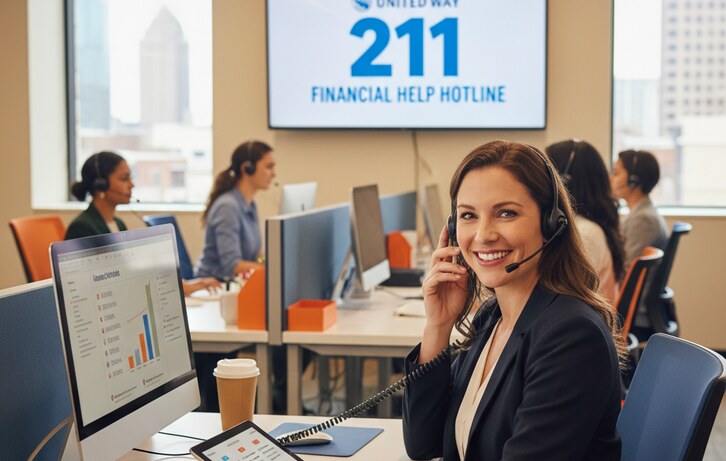
What is United Way 211?
Think of 211 as a community hotline. It's a simple, easy-to-remember three-digit phone number that connects you to trained specialists who can help identify local resources based on your specific needs. Available 24/7 in most areas, 211 acts as a centralized information hub, saving you the time and frustration of searching for help on your own. It's not just for emergencies; it's a resource for everyday challenges too.
The service is funded by local United Way organizations and government partners, making it accessible to everyone, regardless of income or background. You can call, text, or even chat online in many locations, ensuring multiple ways to reach out when you need support most.
How Can 211 Help with Financial Needs?
Financial hardship can take many forms, and 211 is equipped to point you toward solutions for a variety of common problems:
Housing and Utilities: Facing eviction or worried about keeping your lights on? 211 specialists can connect you with:
Emergency rental assistance programs
Utility bill payment assistance (e.g., LIHEAP - Low Income Home Energy Assistance Program)
Homeless shelters and transitional housing options
Foreclosure prevention services
Food Assistance: No one should go hungry. 211 can help you find:
Local food banks and pantries
Soup kitchens
Information on SNAP (Supplemental Nutrition Assistance Program) benefits applications
WIC (Women, Infants, and Children) program details
Healthcare and Prescription Costs: Navigating healthcare can be expensive. 211 can provide information on:
Low-cost or free clinics
Medicaid enrollment assistance
Prescription drug assistance programs
Mental health services
Employment and Education: Looking for work or want to improve your skills? 211 can link you to:
Job training programs
Unemployment benefits information
Adult education and GED classes
Resume and interview preparation resources
Other Essential Services: Beyond direct financial aid, 211 can also connect you to:
Childcare assistance
Transportation services
Legal aid clinics
Disaster relief services
Veteran support programs
Why Choose 211?
The biggest advantage of United Way 211 is its comprehensive, localized approach. Instead of sifting through countless websites or making multiple phone calls, you get personalized assistance from someone who understands the resources available in your specific community. The service is confidential, and the specialists are trained to listen without judgment, offering compassionate support during difficult times. They don't just give you a list; they help you understand eligibility requirements and often provide direct contact information for agencies.
Next Steps
If you or someone you know is struggling, don't hesitate to reach out. You can access United Way 211 by:
Dialing 2-1-1 on your phone.
Visiting 211.org to search for resources online or find local contact information.
Texting your zip code to 898-211 (standard message rates may apply).
Taking the first step to ask for help is often the hardest. United Way 211 makes that step easier, connecting you to the support you need to get back on your feet.