
Secured vs Unsecured Credit Cards Explained
Our consultative approach to improving your personal credit...
Credit cards offer a convenient way to make purchases and can be a powerful tool for building your financial future. When you're thinking about getting one, you'll mainly hear about two types: secured and unsecured. Understanding the difference between them is super important, especially if you're new to credit or working to improve your credit score.
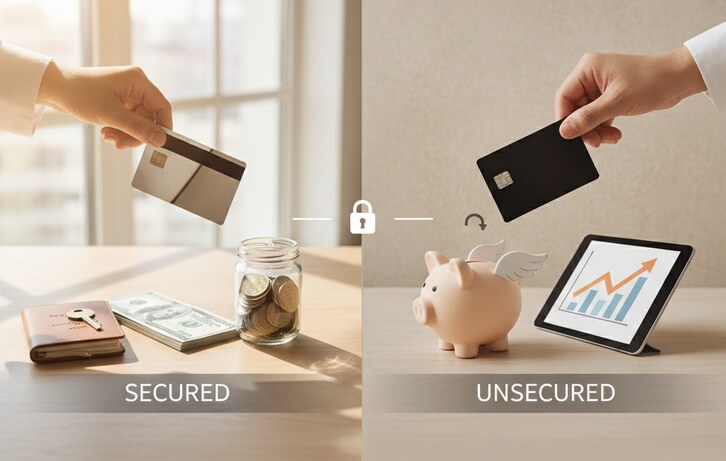
What is an Unsecured Credit Card?
Most credit cards you see advertised are unsecured. This means the credit card company lends you money based on your promise to pay it back. There's no cash deposit or collateral backing your account. Instead, the lender looks at your credit history to decide if they can trust you to repay what you borrow.
If you have a strong credit history, meaning you've paid your bills on time in the past and don't have too much debt, you're more likely to get approved for an unsecured card. These cards usually come with a credit limit based on your income and credit score, and they often offer rewards like cashback, travel points, or even introductory 0% APR periods. However, if you don't use them responsibly, you could end up with high-interest debt that's hard to pay off.
What is a Secured Credit Card?
Secured credit cards are a bit different because they require a cash deposit. This deposit usually matches your credit limit. For example, if you deposit $200, your credit limit will be $200. This deposit acts as security for the credit card company. If you don't pay your bill, the company can use your deposit to cover what you owe.
Secured cards are excellent tools for people who are just starting out with credit or who have a low credit score. Because of the deposit, the risk to the lender is much lower, so they are easier to get approved for. Even though there's a deposit, using a secured card responsibly can help you build a positive payment history. Just like with an unsecured card, your payments are reported to the major credit bureaus (Experian, Equifax, and TransUnion), which helps improve your credit score over time. Many secured cards even offer a path to "graduate" to an unsecured card after a period of responsible use, where your deposit is returned.
Key Differences and How to Choose
The main difference between secured and unsecured cards boils down to collateral and accessibility.
Collateral: Unsecured cards don't require collateral; secured cards do.
Approval: Unsecured cards are harder to get if your credit history isn't strong. Secured cards are easier to get because of the deposit.
Credit Building: Both types of cards, when used responsibly, can help build your credit. Lenders report your payment activity to credit bureaus regardless of whether the card is secured or unsecured.
Features: Unsecured cards often come with more perks like rewards programs, higher credit limits, and better interest rates (for those with excellent credit). Secured cards are usually more basic, focusing on credit building.
When choosing between the two, consider your current credit situation:
If you have good or excellent credit: An unsecured card will likely be your best option, offering more features and benefits.
If you have no credit or bad credit: A secured card is a fantastic starting point. It allows you to prove your ability to manage credit without much risk to the lender. Look for cards with low annual fees and those that explicitly report to all three major credit bureaus.
Next Steps
No matter which type of card you choose, responsible use is key. Pay your bills on time, keep your credit utilization low (try to use less than 30% of your available credit), and avoid opening too many new accounts at once. Regularly check your credit report, which you can do for free once a year from each of the three major credit bureaus at AnnualCreditReport.com. Whether secured or unsecured, a credit card can be a stepping stone to a strong financial future.