
How to Save Money on Groceries Every Month
The cost of food seems to keep going up, and grocery bills can take a big bite out of your monthly budget. But you don't have to break the bank to feed yourself and your family. With a few smart strategies, you can significantly lower what you spend on groceries every month without sacrificing healthy meals.
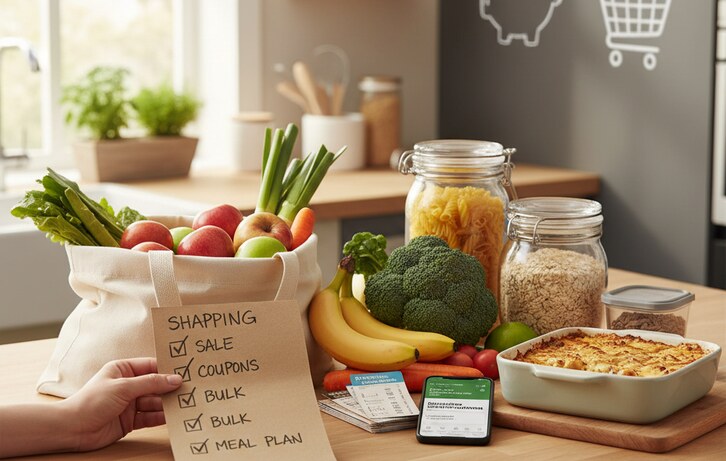
Plan Your Meals and Your List
One of the best ways to save money at the grocery store is to go in with a plan. Before you even think about stepping foot in an aisle, take some time to figure out what you'll eat for the week.
Create a weekly meal plan: Look through your pantry and fridge first to see what ingredients you already have. Then, plan meals around those items. This reduces waste and helps you avoid buying things you don't need.
Make a detailed shopping list: Once your meals are planned, write down every single ingredient you need. Stick to this list when you shop. Impulse buys are often expensive and can throw off your budget.
Check sales flyers: Look at the weekly ads from your local grocery stores. Plan your meals around items that are on sale. This is a simple way to stretch your dollars further.
Shop Smart at the Store
How and where you shop can make a big difference in your grocery spending. Being a strategic shopper means more savings.
Don't shop hungry: This is an old trick, but it works! When you're hungry, everything looks good, and you're more likely to buy extra snacks and treats you might not otherwise get.
Compare unit prices: Look at the "unit price" label on shelves (e.g., price per ounce, per pound). This helps you figure out which brand or size is truly the best value, even if a larger package costs more upfront. Sometimes, the bigger size isn't always cheaper per unit.
Buy generic or store brands: Many store brands are made in the same factories as name brands but cost much less. Give them a try – you might be surprised by the quality.
Shop around: While making multiple stops takes more time, different stores have different strengths. A discount store might be best for basics, while a regular grocery store could be better for fresh produce on sale.
Use coupons wisely: Don't buy something just because you have a coupon for it. Only use coupons for items you already plan to buy or for new items you want to try that are a good deal. Digital coupons found on store apps can be very convenient.
Reduce Food Waste
Throwing away food is like throwing away money. By using everything you buy, you keep more cash in your pocket.
Store food properly: Learn the best ways to store fruits, vegetables, and other perishables to make them last longer. Many foods last longer in the fridge or freezer.
Get creative with leftovers: Don't let leftovers go to waste. Repurpose them into new meals. Leftover chicken can become tacos, and extra vegetables can be added to a soup or omelet.
Freeze extras: If you buy in bulk or cook a large batch of something, freeze portions for future meals. This is great for saving time and money, and it prevents food from spoiling.
Understand "sell-by" dates: "Sell-by" dates are about store inventory, not necessarily food safety. Many foods are perfectly fine to eat for days or even weeks after their "sell-by" date. Use your senses – if it looks, smells, and tastes okay, it's likely safe.
Explore Food Assistance Programs
If you're struggling to afford groceries, there are resources available to help. These programs are designed to provide support for individuals and families in need.
SNAP (Supplemental Nutrition Assistance Program): Formerly known as food stamps, SNAP provides eligible low-income individuals and families with financial assistance to buy food. You can apply through your state's social services agency.
WIC (Special Supplemental Nutrition Program for Women, Infants, and Children): WIC provides healthy food, nutrition education, and breastfeeding support to pregnant women, new mothers, and young children.
Food banks and pantries: Local food banks and pantries run by non-profits or community groups offer free groceries to those facing food insecurity. You can find local resources by searching online or contacting your local city or county government.
Farmers' market programs: Some farmers' markets offer programs that match or double SNAP benefits, allowing you to get more fresh produce for your money.
Next Steps
Start by picking just one or two of these strategies to try this week. Maybe you'll focus on making a detailed meal plan and shopping list, or commit to trying a store brand instead of your usual. Even small changes can lead to significant savings over time, helping you keep more money in your budget for other important things.