
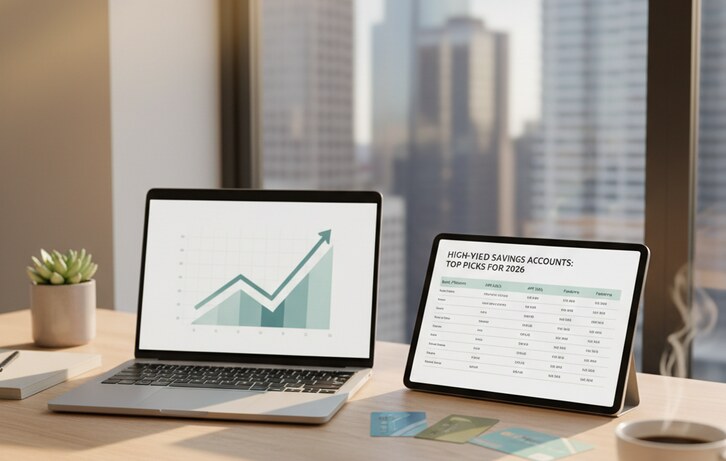
High-Yield Savings Accounts: Top Picks for 2026
Looking for a smarter way to save your money? High-yield savings accounts offer much better interest rates than traditional banks, helping your money grow faster without extra effort. These accounts are a great choice for emergency funds, down payments, or any short-term savings goal.
What Makes a High-Yield Savings Account Great?
Not all savings accounts are created equal. When we talk about "high-yield," we're looking for accounts that pay significantly more interest than the national average. Here's what else to consider:
Annual Percentage Yield (APY): This is the most important factor. It tells you the actual rate of return on your money over a year, taking into account compounding interest. Look for APYs that are much higher than what you'd get at a big national bank.
Fees: Some banks charge monthly maintenance fees, while others might charge for overdrafts or excessive withdrawals. Many online high-yield accounts have no monthly fees, which is a big plus.
Minimum Balance Requirements: Do you need a certain amount of money to open the account or to earn the advertised APY? Ideally, you want an account with low or no minimums.
Access to Your Money: While you shouldn't use a savings account like a checking account, you'll still want easy ways to deposit and withdraw money. Look for convenient online transfers, mobile check deposit, and sometimes ATM access.
FDIC Insurance: This is crucial. Always ensure your account is insured by the Federal Deposit Insurance Corporation (FDIC) for up to $250,000 per depositor, per institution, in case the bank fails. This keeps your savings safe.
Top Picks for High-Yield Savings Accounts in 2026
While interest rates can change, certain banks consistently offer competitive high-yield savings options. Our picks focus on strong APYs, low fees, and reliable service.
Online Banks: Many of the best high-yield accounts come from online-only banks. They often have lower operating costs, which allows them to pass on higher interest rates to you. Examples include Ally Bank, Discover Bank, and Capital One 360 Performance Savings. These banks are known for excellent online and mobile banking experience.
Credit Unions: Local credit unions can also be great places to find high-yield options, though their offerings might vary regionally. Deposits at credit unions are insured by the National Credit Union Administration (NCUA), which is similar to FDIC insurance.
Fintech Companies (with Bank Partners): Some newer financial technology (fintech) companies offer high-yield accounts through partnerships with established banks. Always make sure the underlying bank is FDIC-insured.
It's a good idea to check the current rates directly on the bank's website, as they can fluctuate.
How to Get Started
Opening a high-yield savings account is usually quick and easy. You'll typically need:
Your Social Security number
A government-issued ID (like a driver's license)
Information from an existing checking or savings account to fund your new account
Your home address and contact information
The process often takes less than 15 minutes online. Once your account is set up, you can transfer money to it. Many people set up automatic transfers from their checking account each payday to build their savings steadily.
Next Steps
Don't let your money sit earning next to nothing in a traditional bank account. Take a few minutes to compare high-yield savings accounts based on their APY, fees, and minimum requirements. Choosing a high-yield savings account is a simple way to make your money work harder for you, helping you reach your financial goals faster.