
Credit Freeze vs Fraud Alert: Which Should You Use?
Our consultative approach to improving your personal credit...
Identity theft can be a frightening experience, and protecting your credit is a crucial step. Two common tools designed to help are a credit freeze and a fraud alert. While both offer protection, they work in different ways.
What is a Credit Freeze (Security Freeze)?
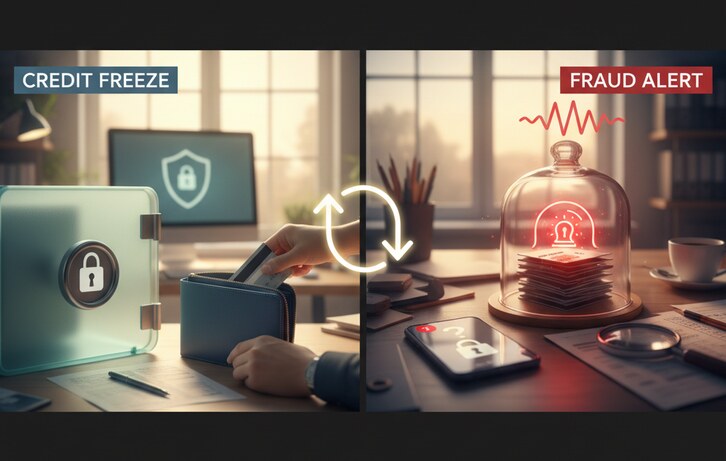
A credit freeze, also known as a security freeze, is the strongest protection you can put on your credit. It essentially locks your credit reports, making it very difficult for identity thieves to open new accounts in your name. When your credit is frozen, lenders and other businesses cannot access your credit report unless you temporarily "thaw" or unfreeze it.
Here's how a credit freeze works:
Prevents new credit: If someone tries to open a new credit card, loan, or even utilities in your name, the lender won't be able to check your credit report. This usually stops the application.
You control access: You must contact each of the three major credit bureaus (Equifax, Experian, and TransUnion) to place a freeze. You’ll also need to contact them to temporarily lift or permanently remove the freeze.
Free and permanent (until you unfreeze it): Credit freezes are now free for everyone in the US. They remain in place until you choose to unfreeze your credit.
While a credit freeze offers strong protection, remember that you’ll need to unfreeze your credit whenever you apply for new credit, like a car loan, mortgage, or even a new cell phone plan. This takes a little planning.
What is a Fraud Alert?
A fraud alert is a less restrictive protection than a credit freeze. It tells lenders that they should take extra steps to verify your identity before opening any new accounts or granting credit.
There are a few types of fraud alerts:
Initial Fraud Alert: This alert stays on your credit report for one year. When you place one at one credit bureau, that bureau must notify the other two. Lenders should try to contact you to confirm your identity before extending credit.
Extended Fraud Alert: If you've been a victim of identity theft and filed an identity theft report with a law enforcement agency (like your local police department) or the Federal Trade Commission (FTC), you can place an extended fraud alert. This lasts for seven years.
Active Duty Military Alert: Active duty military personnel can place a fraud alert for one year, which can be renewed. This also removes your name from pre-screened credit offers for two years.
Unlike a credit freeze, a fraud alert doesn't block access to your credit report. It simply adds a warning. This means some lenders might still approve credit without making sufficient contact, though they are legally obligated to take reasonable steps.
When to Use Which Protection
Choosing between a credit freeze and a fraud alert depends on your situation:
Use a Credit Freeze if:
You are a victim of identity theft.
You are concerned about identity theft and don't plan to apply for new credit soon.
You want the strongest possible protection against new accounts being opened in your name.
You are comfortable with the minor inconvenience of freezing and unfreezing your credit when needed.
Use a Fraud Alert if:
You suspect you might be a victim of identity theft but haven't confirmed it yet.
You lost your wallet or purse.
You notice suspicious activity on your existing accounts.
You are actively applying for new credit but still want some added protection.
You experienced a data breach and want a temporary layer of security.
Next Steps
Both credit freezes and fraud alerts are valuable tools to protect your financial identity. For the strongest defense against new account fraud, a credit freeze is generally recommended if you aren't planning to apply for credit right away. If you need less restrictive protection or are actively seeking new credit, a fraud alert can provide an important safeguard. You can place or lift a credit freeze, or place a fraud alert, by contacting each of the three major credit bureaus directly: Equifax, Experian, and TransUnion.